K a m p a s R e s e a r c h
<< Visual Design & Discovery >>
Gain Perspective, Deepen Insight,
Unleash Imagination, Expand Awareness,
See More Beauty...
"Study the science of art. Study the art of science.
Develop your senses - especially learn how to see.
Realize that everything connects to everything else."
-- Leonardo da Vinci
"Perspective is worth 50 IQ points." -- Alan Kay
"Everything has beauty, but not everyone sees it." -- Confucius
< Welcome to Visual Design & Discovery >
Over half of the human brain is dedicated to visual processing. Leonardo da Vinci and his notebooks perhaps best exemplify the connection between visual thinking, vision, imagination, and creativity. Today's children's books overflow with amazing visual content, yet most books and articles for adults, especially trade books, are visual deserts. Why? The answer is simple - most authors can't draw. In this country, you cannot graduate from high school if you can't write, but if you can't draw - no problem! Here we seek to address this gap by expanding awareness, appreciation, and engagement in visual thinking and communicating and the value they provide - both professionally and personally.
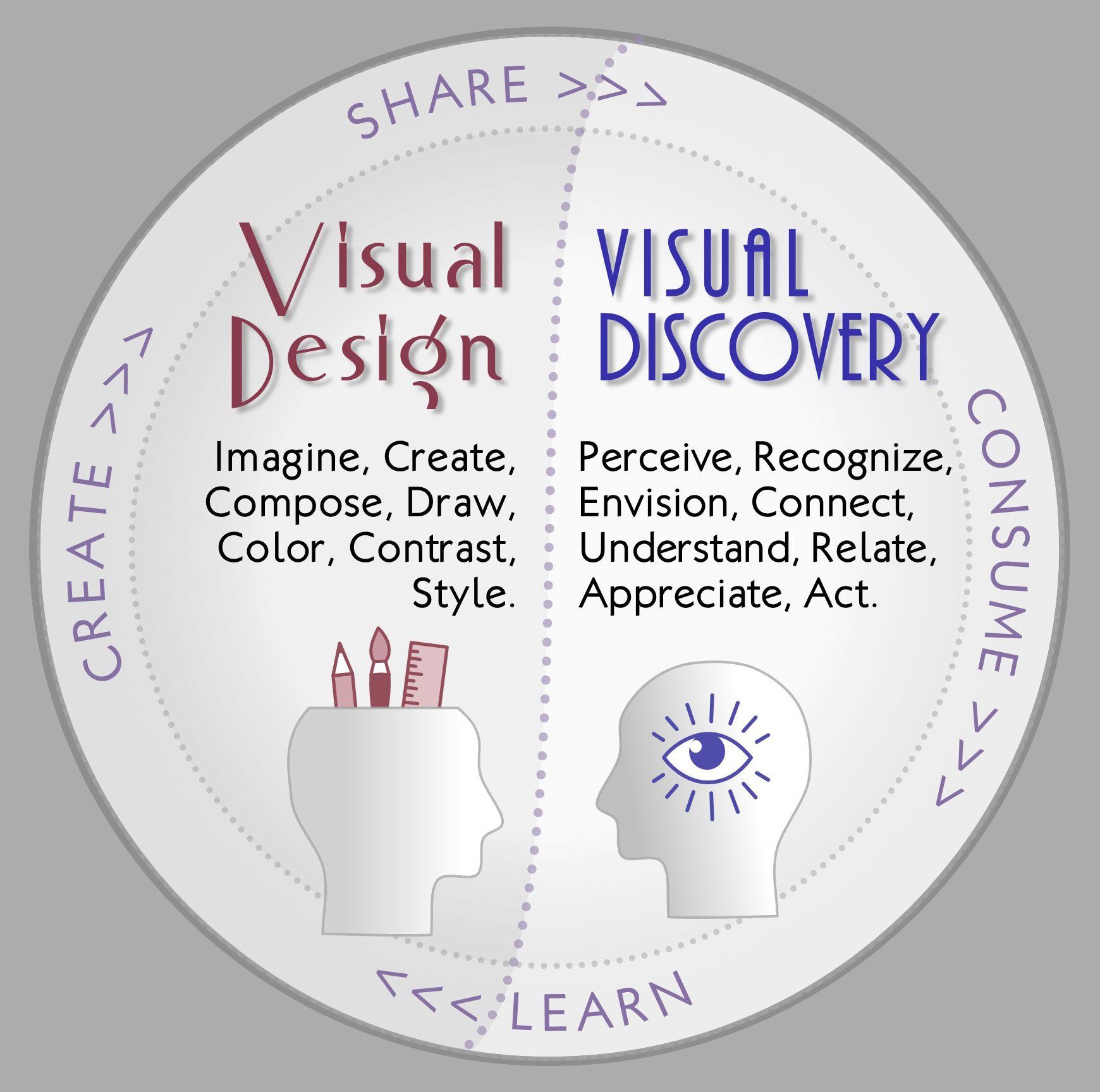
Visual Literacy: Are You Fluent? Design and discovery in the visual domain are akin to writing and reading in the verbal domain. As verbal literacy assesses fluency in writing and reading, visual literacy assesses fluency in designing and discovering visual content. Your verbal literacy is probably fine, but how is your visual literacy? For example, are you able to sketch out the floorplan of your house, or follow IKEA's visual assembly instructions? The visual half of your brain is very powerful, and, when engaged, can help you think more strategically and communicate more impactfully
at work, and create a more artful, inspiring home.
What Is Visual Discovery? It's not just looking at an image or graphic, but seeing
and noticing
what is going on, whether it's a face, a scene, or a diagram. Words alone can be inefficient and ineffective in fully conveying
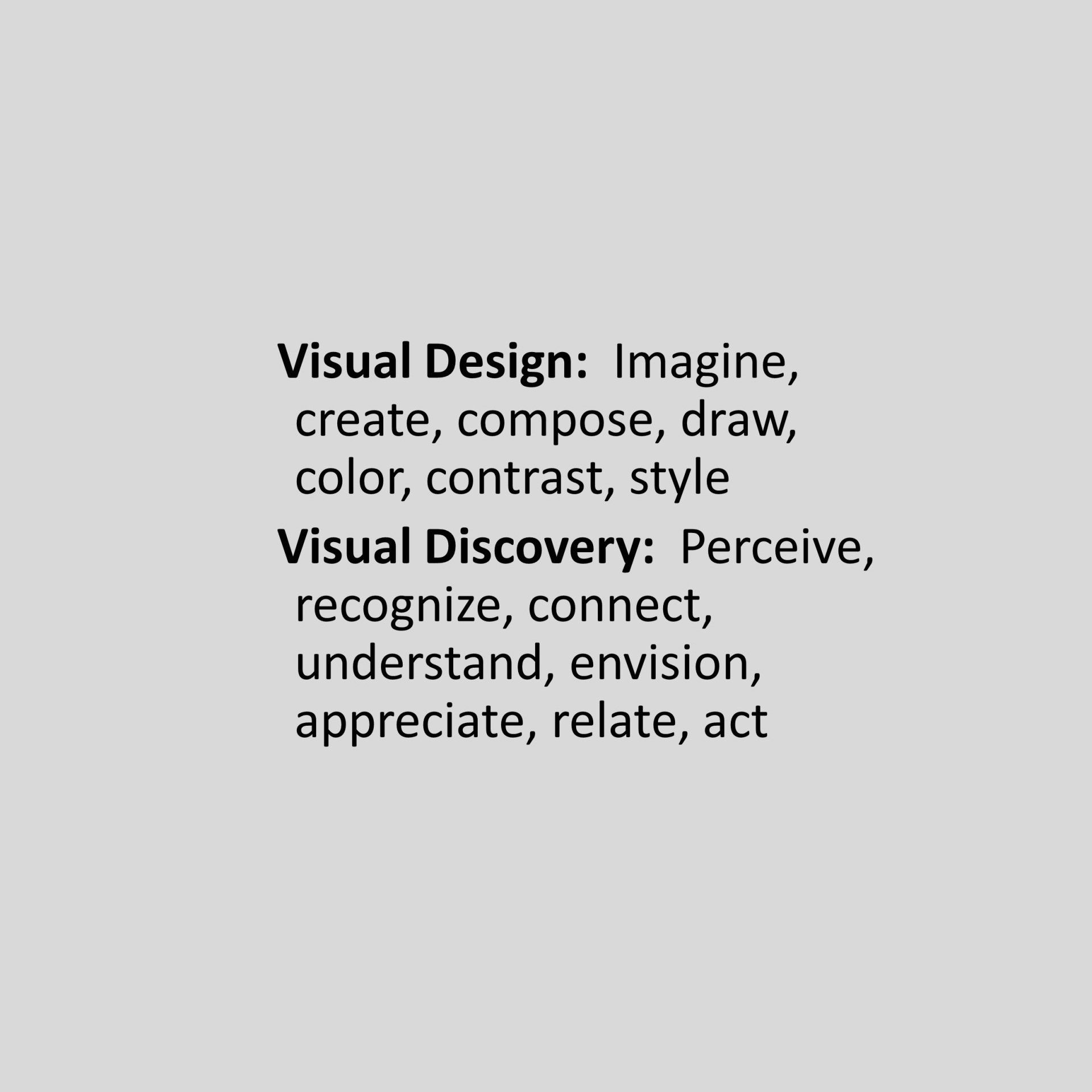
a reality. For example, compare the two versions of the Visual Design/Discovery definition at the left. One is purely verbal, and the other a combination of visual and verbal, what I call a Cognitive Framework. Which one is more impactful? More memorable? Reveals flow and learning?
"The real voyage of discovery consists not of seeing new sights,
but in
looking with new eyes."
-- Marcel Proust (French novelist)
< Launch Pad >
To begin looking with new eyes, for both discovery and design, start here!
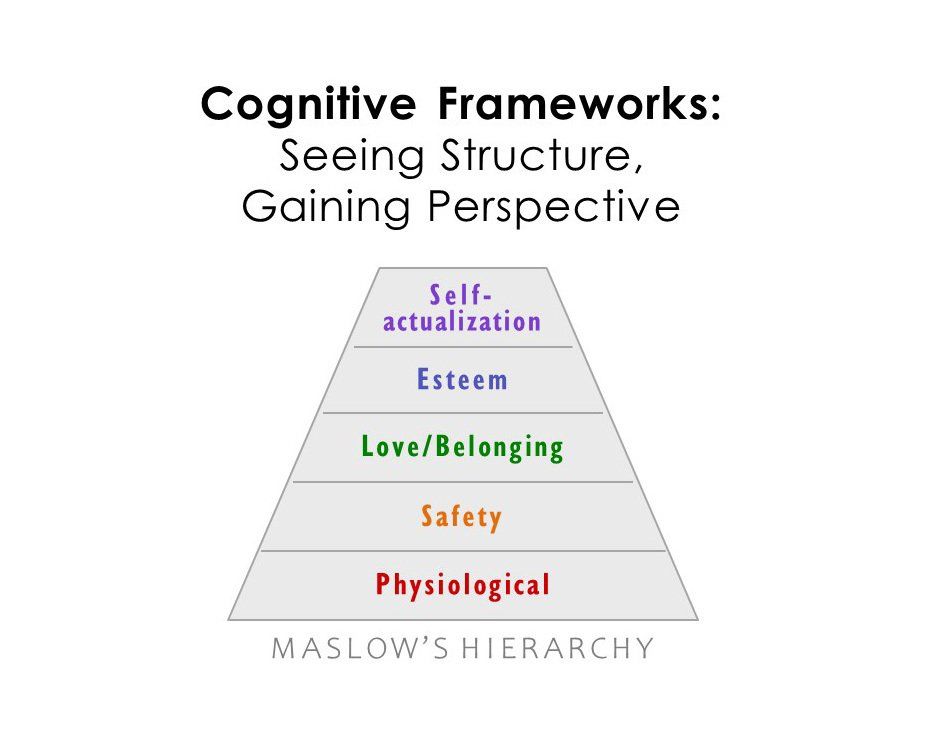
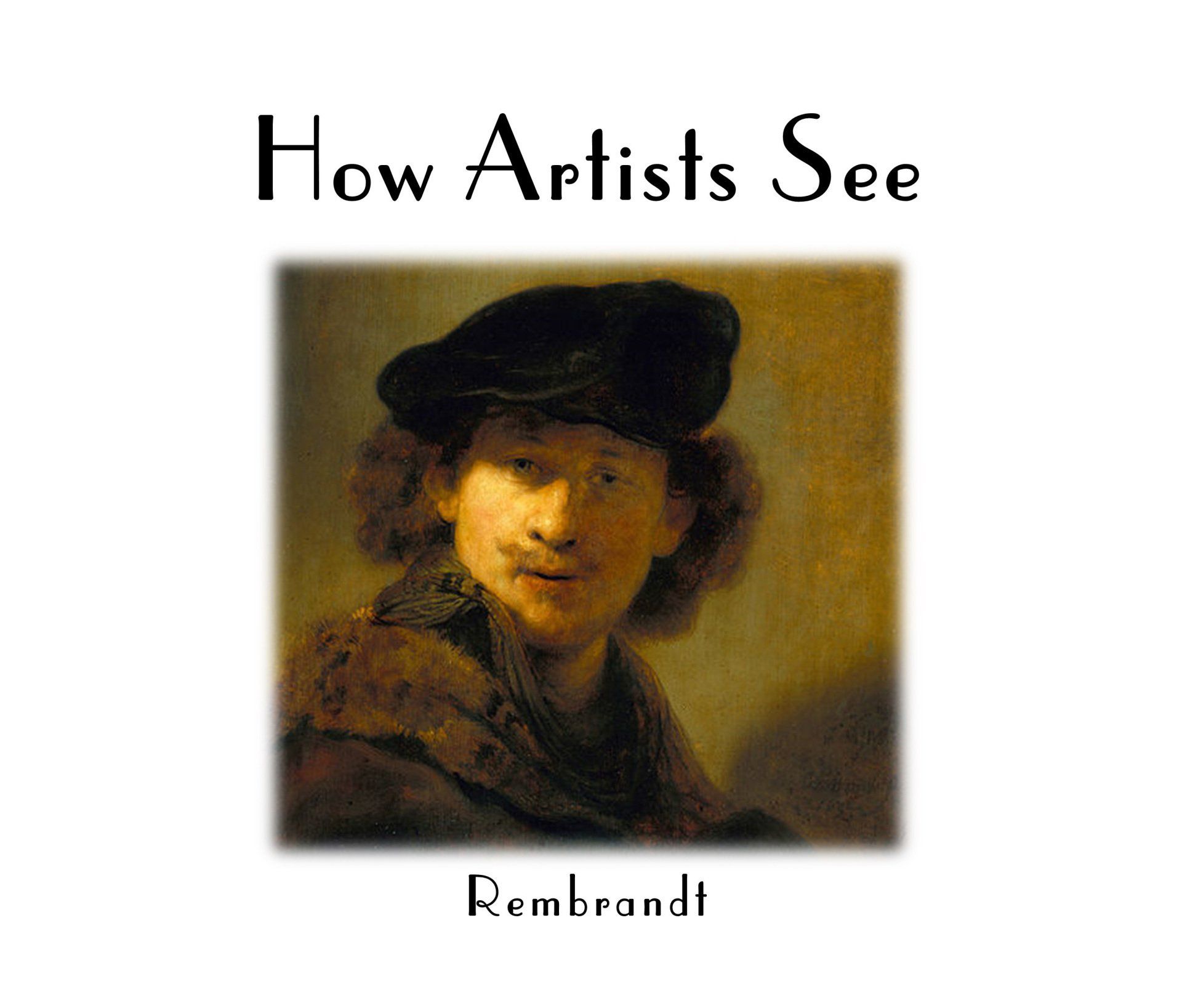

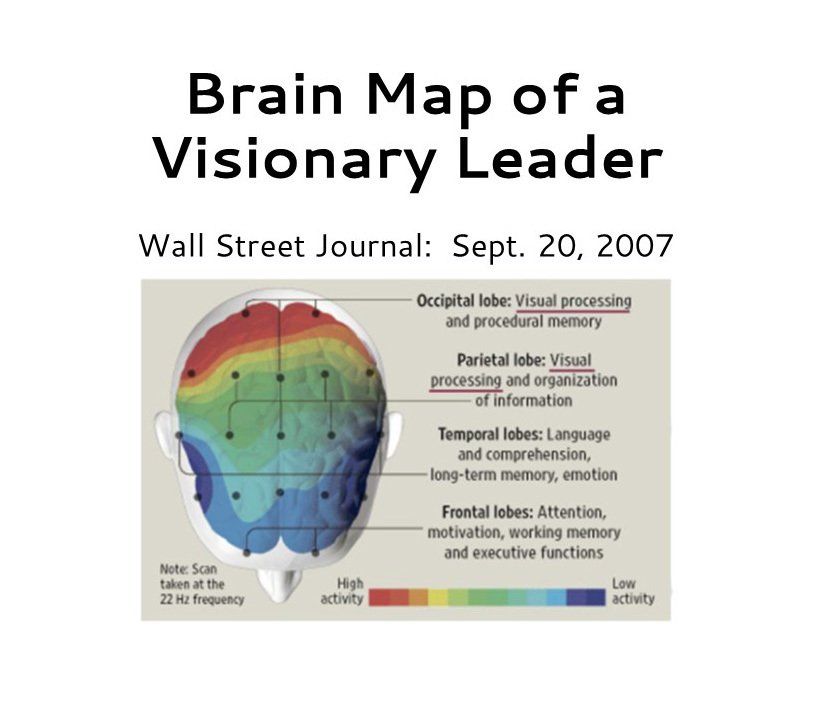
< Cognitive Frameworks >
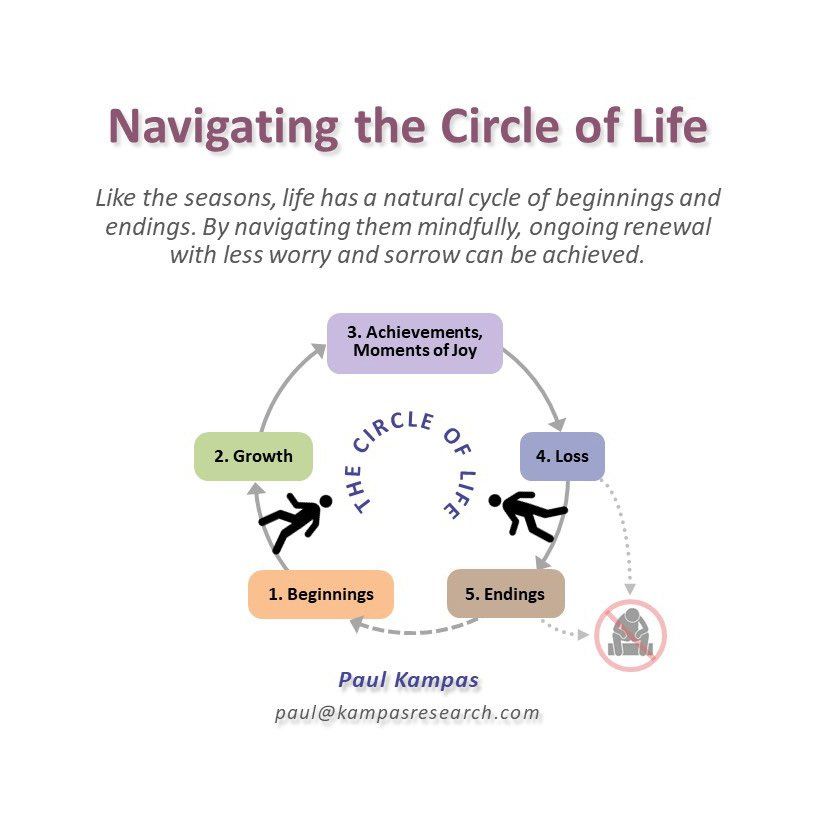
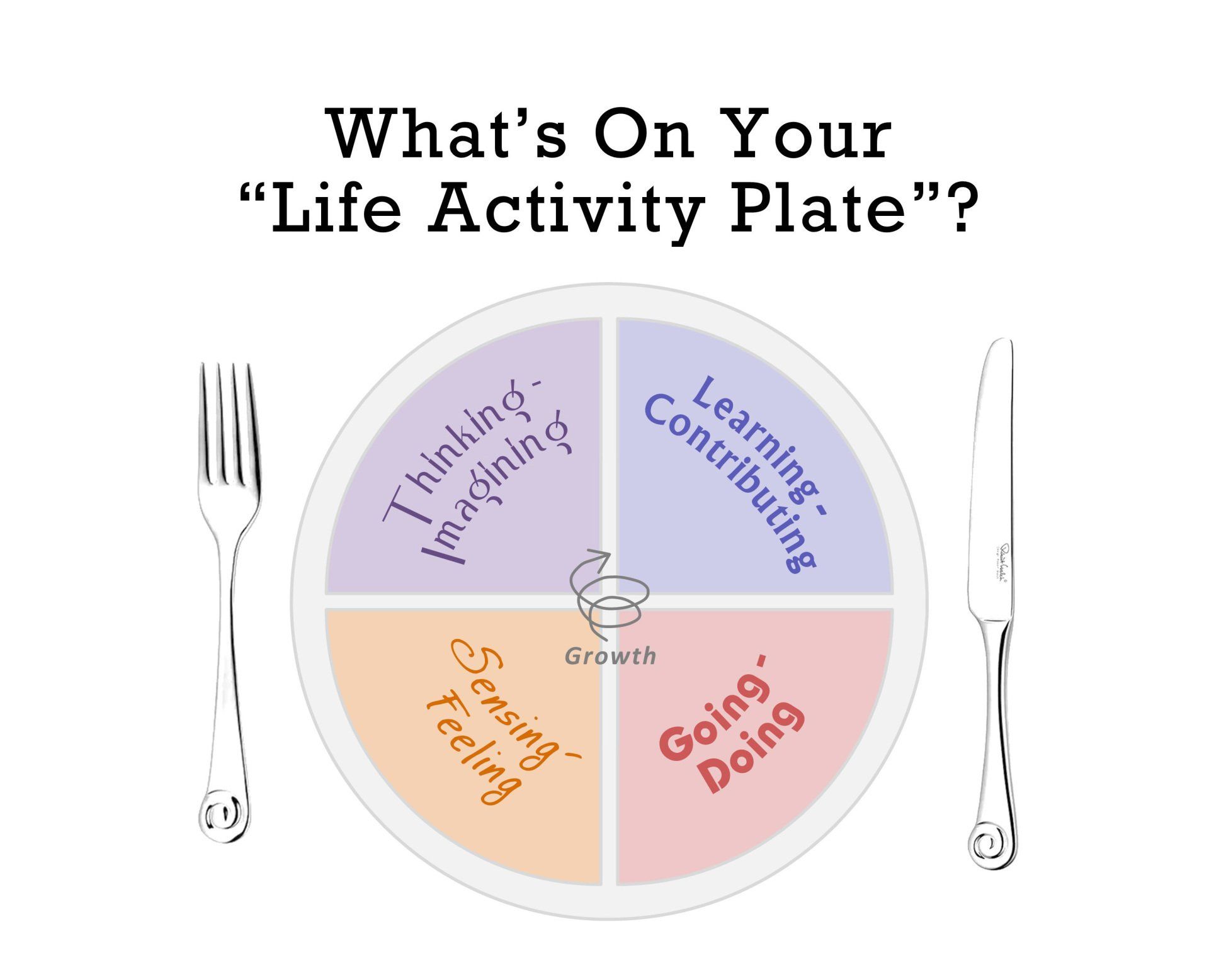
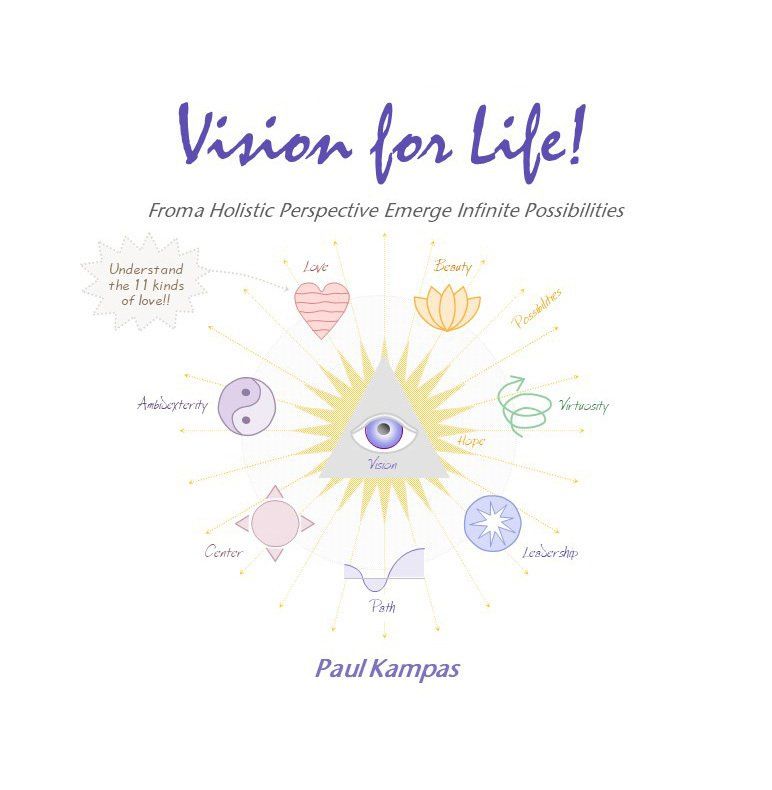
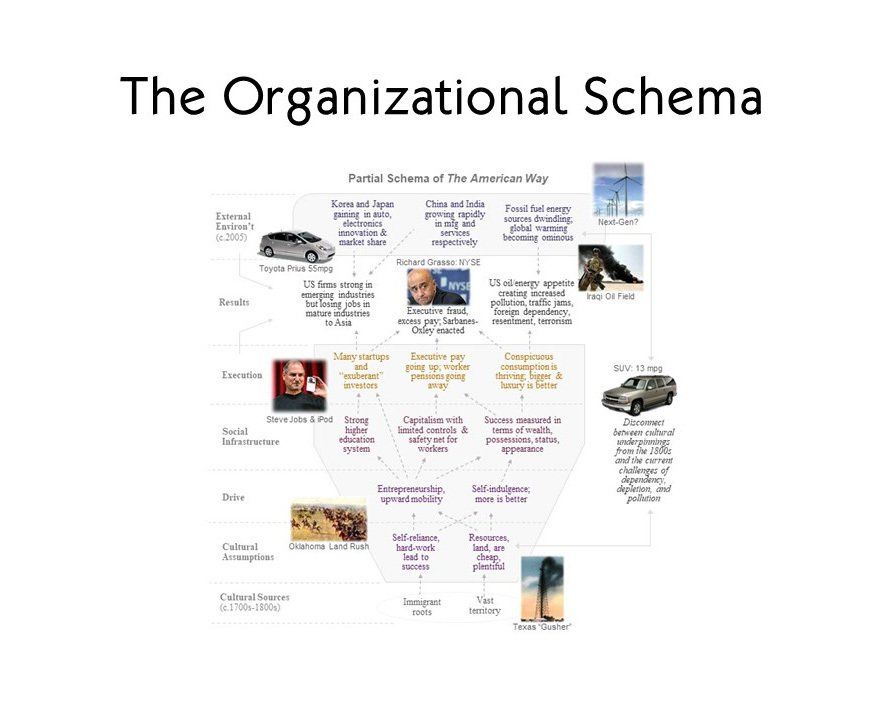
Cognitive Frameworks reveal core structures and dynamics, aiding the development of strategic insight and perspective.






< Visual & Decorative Arts >
Once you've trained your "eye" for more impact at work, enjoy your visuality at home as well -- I do!